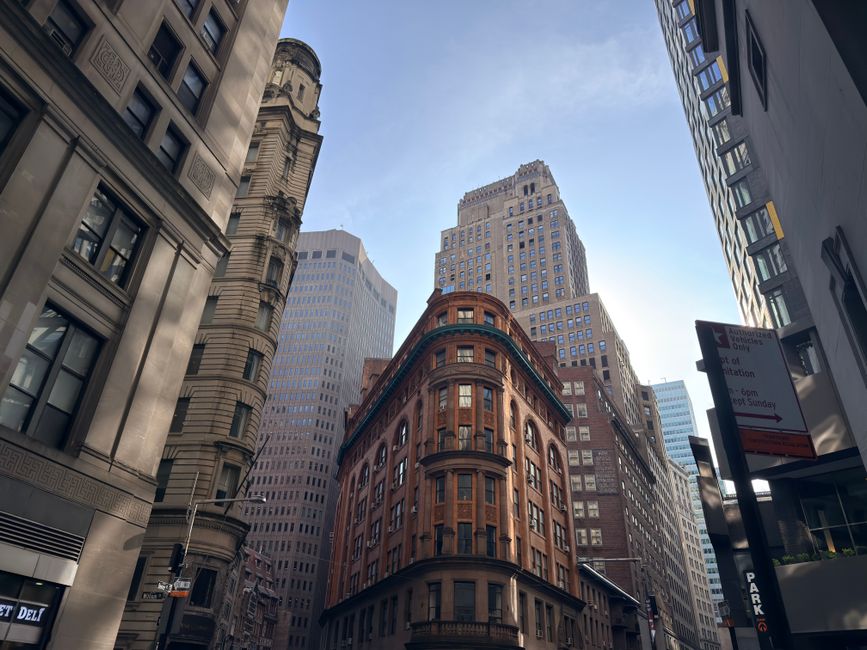
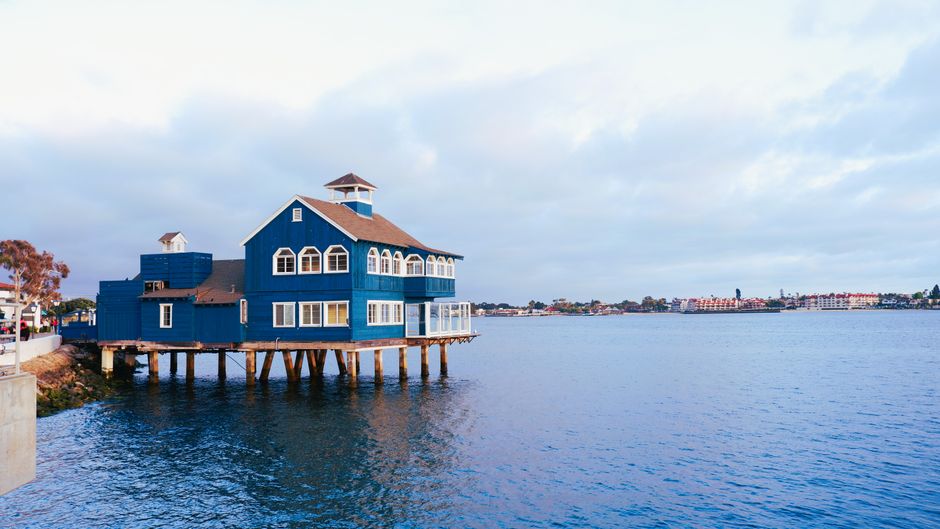
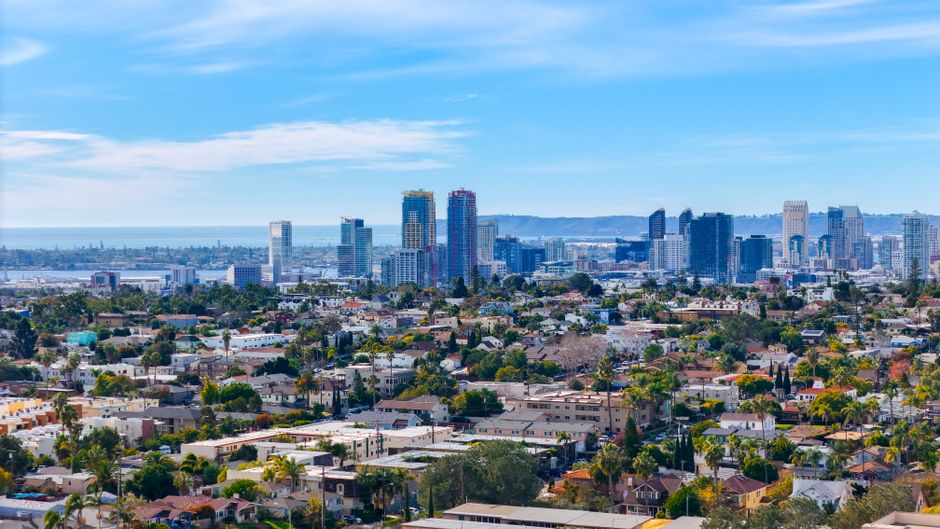
San Diego's public-facing digital infrastructure has a visibility problem. Across city agency websites, community planning group presentations, and neighborhood redevelopment proposals, the same photographs — some years out of date, some misattributed to the wrong district entirely — keep reappearing, replacing accurate visual records of what streets and communities actually look like today.
The issue surfaced again this spring when the City of San Diego's Development Services Department circulated a draft environmental review for a proposed mixed-use project near the intersection of Imperial Avenue and 28th Street in South Park. Residents who attended the May community meeting flagged that two site photographs in the document appeared to show a stretch of North Park, not the South Park parcel under review. The department later acknowledged the error in a follow-up memo dated June 3, 2026, and reissued the document with corrected imagery.
More Than a Photo Mix-Up
The stakes are higher than they might seem. Duplicate and misplaced images in planning documents can distort assessments of building density, street tree coverage, pedestrian infrastructure, and neighborhood character — all factors that feed directly into decisions about zoning, historic preservation, and infrastructure investment. When a planning commission reviews a proposal accompanied by photographs of the wrong block, the visual evidence underpinning that review is, at minimum, incomplete.
San Diego is not unique in facing this problem, but the city's rapid neighborhood change makes it particularly acute. Areas like Barrio Logan, City Heights, and the stretch of El Cajon Boulevard running through Normal Heights have transformed significantly since 2020. A photograph taken in 2019 of a vacant lot on Logan Avenue may now show a site that hosts a community garden or a newly constructed affordable housing building. Using that old image in a 2026 planning context tells a fundamentally misleading story.
The nonprofit Lincoln Park Community Association raised a related concern in its April 2026 newsletter, noting that a City Council district report had used a photograph labeled as Lincoln Park that its members identified as a street in Encanto. The association asked the City Clerk's office to clarify the sourcing protocol for images used in official communications, though as of this week no formal policy response has been issued.
What Residents Can Do — and What the City Should
San Diego's 2021 Digital Equity and Access Plan, adopted by the City Council, committed to improving the accuracy and accessibility of public-facing digital content, including visual assets tied to neighborhood planning. That plan earmarked roughly $2.4 million over three years for technology upgrades in the Planning Department's document management systems. Whether those upgrades included protocols for image verification and deduplication is unclear from the publicly available budget summaries on the city's Open Data portal.
Community planning groups — there are 42 recognized by the city — have the clearest line of sight on this problem because they attend the meetings where these documents are presented. Groups like the Greater North Park Community Planning Committee and the Barrio Logan Community Plan Implementation Oversight Committee regularly review draft materials and are positioned to flag visual inaccuracies before documents advance in the approval process. Residents who attend those monthly meetings, typically held at local recreation centers or library branches like the City Heights/Weingart Branch Library on Fairmount Avenue, have a genuine opportunity to push back.
Practically speaking, anyone reviewing a city planning document that includes site photographs should cross-reference the images against current Google Street View captures or the county assessor's parcel map, both of which are publicly accessible and frequently updated. If an image looks wrong — wrong signage, wrong topography, wrong building stock — it is worth submitting a written comment to the Development Services Department before any public comment deadline closes.
The city should also consider adopting a formal image-authentication step as part of its document review checklist, something several other large American municipalities, including Portland and Minneapolis, have built into their environmental review workflows. San Diego's planning cycle moves fast, particularly under state housing mandates. A single mislabeled photograph, left unchallenged, can quietly anchor a flawed narrative all the way to a final vote.