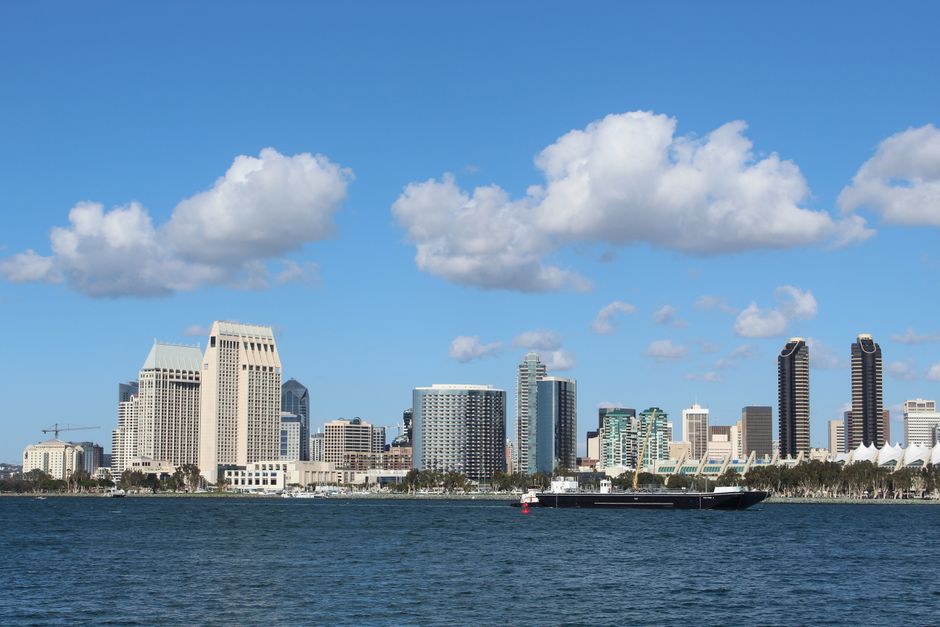
San Diego's most pressing civic headaches this week — a deepening affordable housing shortfall, mounting pressure on the Metropolitan Transit System's budget, and a prolonged dispute over the old Qualcomm Stadium site — are the product of choices stretching back more than a decade. Understanding where the city stands on July 3, 2026 means tracing those choices to their origins.
The stakes are unusually high right now. California's state housing mandates, codified in the Sixth Cycle Regional Housing Needs Assessment, require San Diego to plan for 108,000 new units by 2029. The city is currently tracking at roughly 40 percent of that pace, according to figures presented to the City Council's Land Use and Housing Committee in May. With the deadline less than three years out, the margin for delay has effectively disappeared.
Mission Valley and the Long Shadow of SDSU West
The site at 9449 Friars Road — the former Qualcomm Stadium footprint — sits at the centre of the city's housing arithmetic. Voters approved Measure G in 2018, transferring 132 acres to San Diego State University for what became SDSU Mission Valley, anchored by Snapdragon Stadium. The original development agreement promised 4,600 housing units alongside a river park and campus facilities. Construction on the stadium finished in 2022, but the residential component has moved at a crawl. Soil remediation work along the San Diego River corridor and financing disputes between SDSU and its private development partners consumed most of 2024 and 2025. As of this spring, fewer than 400 units were under active construction on the eastern parcels.
That slow rollout matters because Mission Valley was supposed to demonstrate that transit-oriented, mixed-income development could actually work at scale in San Diego. The Green Line trolley runs directly through the site. Planners at the San Diego Association of Governments had used SDSU Mission Valley as a model node in their 2021 Regional Plan. When it lagged, it gave ammunition to opponents of density elsewhere — in North Park, in Kensington, in the Midway District — who argued that large-scale projects were inherently unreliable.
MTS Finances and the Fare Box Problem
The Metropolitan Transit System has been running a structural deficit since federal pandemic relief funds — roughly $530 million distributed between 2020 and 2023 — began to expire. Ridership on the Blue Line trolley between Old Town Transit Center and the US-Mexico border has recovered to about 87 percent of pre-2020 levels, but fare revenue alone covers only around 18 percent of operating costs system-wide. MTS board members have been debating a phased fare increase since last November, with proposals ranging from raising the base fare from $2.50 to $3.00 to introducing a means-tested low-income pass program modelled on Los Angeles Metro's LIFE program.
The political problem is that any fare increase lands hardest on the communities — Barrio Logan, City Heights, National City — where transit dependency is highest and car ownership is lowest. Community advocates at the Environmental Health Coalition, headquartered in National City, have been pushing back on flat fare hikes since early 2025, arguing that the burden should fall on parking revenue and regional highway funds instead. The MTS board is scheduled to take a final vote on the fare structure in September.
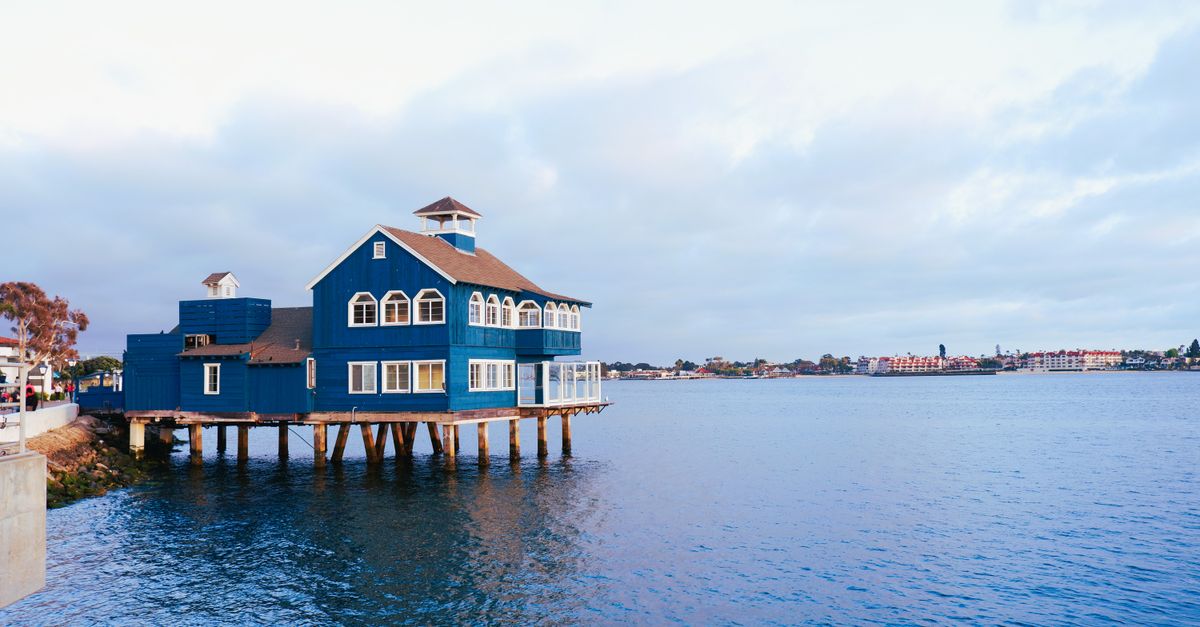
Layered on top of all this is the waterfront. The Port of San Diego's 30-year master plan, last updated in 2019, is due for a revision, and competing visions for the Embarcadero between Broadway Pier and the B Street Cruise Ship Terminal have produced a familiar stalemate between hotel developers, environmental groups, and the Navy, which maintains operational facilities nearby at Naval Base Point Loma.
The practical upshot for residents: the next 90 days will be consequential. The MTS vote in September, combined with a City Council review of the Mission Valley Specific Plan amendment expected in August, will set the tone for how aggressively San Diego pursues its housing and transit goals heading into the final years of this decade. Residents who want to weigh in can submit comments to the city's Development Services Department online or attend the Planning Commission's next public session, scheduled for July 16 at 9 a.m. at the City Administration Building on First Avenue.
This article was compiled by AI and screened before publishing. See our editorial standards.