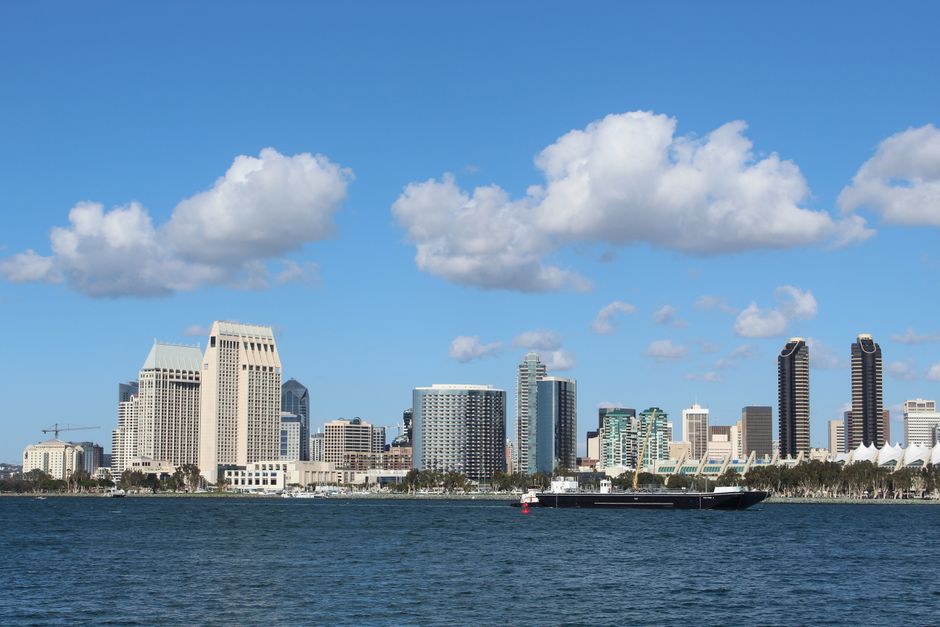
San Diego enters the Fourth of July weekend with tempers running nearly as high as the thermometer. A triple-digit heat event, ongoing displacement from the city's Mission Valley affordable housing crunch, and a spike in pedestrian fatalities along El Cajon Boulevard have collided into a single, ugly week — and the people absorbing the consequences are done waiting for City Hall to catch up.
The timing matters. Europe is burying more than 2,000 heat-related deaths from a single peak week, and public health researchers at UC San Diego's School of Public Health have spent the past month warning that San Diego's coastal cooling effect — long cited as a buffer — is losing reliability as inland heat domes push temperatures westward. The county recorded 109 degrees in El Cajon on June 28, and neighborhoods without tree canopy coverage felt it first.
Community members in Logan Heights say the cooling center shortage is not a surprise. The Logan Heights Community Development Corporation has been flagging inadequate infrastructure for two years, pointing specifically to the stretch of National Avenue between 28th and 40th streets, where summer shade coverage from street trees dropped below 4 percent according to a 2024 city urban heat mapping study. Residents there describe sidewalks hot enough to damage footwear and bus stops with no shelter at all.
In City Heights, volunteers with the nonprofit Alliance for Regional Solutions logged more than 340 resident contacts during the heat event, connecting people to water, fans, and transport to cooling sites. The group says that number is up roughly 60 percent from the same week last year.
El Cajon Boulevard Deaths Prompt Calls for Emergency Road Redesign
Three pedestrians have been killed on El Cajon Boulevard between University Avenue and 54th Street since May 1 — a stretch that the city's Vision Zero Action Plan, adopted in 2015, flagged as a high-injury corridor. Residents of the College Area and Mid-City neighborhoods say enforcement has been inconsistent and infrastructure changes promised in the plan have not materialized.
The San Diego County Bicycle Coalition and Walk San Diego submitted a joint letter to City Council District 7 representative on June 25, demanding that the city accelerate protected crosswalk installations and reduce the posted speed limit from 35 mph to 25 mph on that corridor. The city has not publicly responded.
San Diego saw 44 pedestrian fatalities in all of 2024, according to SANDAG data. At the current pace, 2026 is tracking above that figure. Residents who spoke to community advocates — rather than on the record to this reporter — described the boulevard as feeling genuinely unsafe after dark, with inadequate street lighting compounding the danger.
On the housing front, the Mission Valley Community Planning Group voted 8-4 on June 24 to oppose a proposed 312-unit luxury development near Friars Road that would replace a light industrial parcel without any inclusionary affordable units. Tenants' rights groups from Linda Vista and North Park attended in force, arguing the project would accelerate displacement pressure in adjacent working-class neighborhoods.
San Diego's median asking rent hit $2,640 per month in June, according to CoStar data — a figure that community organizers at the San Diego Tenants Union say makes the loss of even moderate-income stock catastrophic for families already stretched thin.
The City Council returns from recess July 7. Three items directly tied to these issues — a cooling center expansion resolution, a Vision Zero corridor emergency amendment, and the Mission Valley zoning appeal — are all on the agenda for the July 14 session. Residents wanting to submit public comment can do so online through the City Clerk's portal or in person at the City Administration Building on First Avenue before noon on July 11.