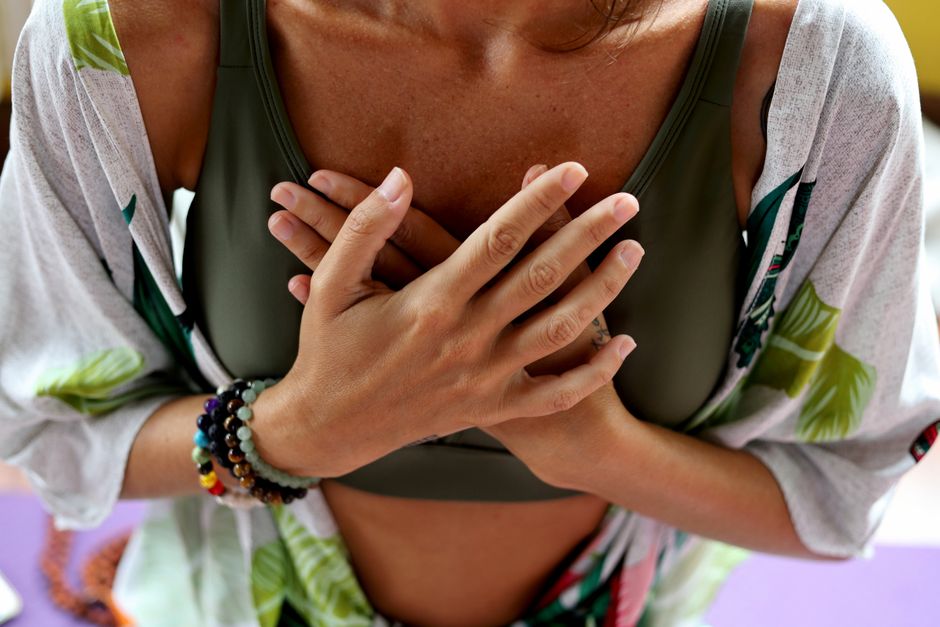
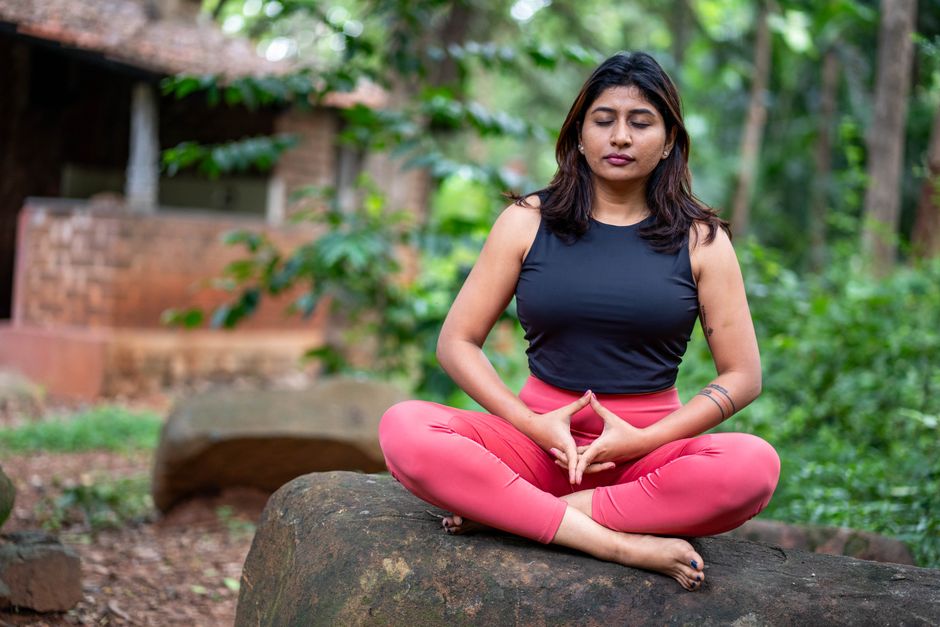
You don't need a Balboa Park yoga class or a La Jolla meditation retreat to dial down your nervous system. A growing number of San Diegans are turning to breathwork — deliberate, pattern-based breathing exercises — as a portable, zero-cost tool for cutting through stress in real time, whether they're stuck on the I-5 at 5 p.m. or heading into a difficult meeting downtown.
The timing makes sense. With housing costs hammering household budgets across San Diego County and a national conversation about burnout intensifying through 2025 and into this year, wellness practitioners here report that demand for accessible, low-barrier stress management tools has accelerated sharply. Breathwork fits that gap precisely because it costs nothing and works in under five minutes.
Closer to home, the UC San Diego Center for Mindfulness, based on the La Jolla campus, has incorporated controlled breathing protocols into its Mindfulness-Based Stress Reduction programs since the center's early years. Eight-week MBSR courses there currently run approximately $395 to $495 depending on the session, though sliding-scale options exist. The center's programming draws participants from across the county, from Chula Vista to Oceanside.
The three techniques practitioners most commonly recommend for mid-day stress relief are box breathing, physiological sighing, and the 4-7-8 method. Box breathing — four counts in, four counts hold, four counts out, four counts hold — was popularized partly through its adoption by U.S. Navy SEALs trained at Naval Base Coronado. It works by engaging the parasympathetic nervous system, slowing the heart rate within roughly 60 to 90 seconds of practice. Physiological sighing involves a double inhale through the nose followed by a long, slow exhale through the mouth; it rapidly offloads carbon dioxide, which research suggests is a key driver of the physical sensation of panic. The 4-7-8 method, developed by integrative medicine physician Dr. Andrew Weil, extends the exhale to roughly twice the length of the inhale, a ratio that research associates with vagal nerve activation.
Where San Diego Practitioners Are Teaching This
Several local studios have built dedicated breathwork programming into their regular schedules. Soul of Yoga in Encinitas offers monthly breath-focused workshops, typically priced around $25 to $35 per session. In North Park, the Trilogy Sanctuary has run breathwork immersions on its rooftop space, combining the techniques with sound and low-light settings designed to deepen the calming effect. The San Diego Mindfulness Center, which operates in Mission Hills, weaves breath instruction into its drop-in meditation sessions on Wednesday evenings — a $10 suggested donation keeps the barrier low.
Corporate wellness coordinators are paying attention too. Several firms in the Sorrento Valley tech corridor have brought in outside facilitators this year to run lunchtime breathwork sessions for employees, a trend that local practitioners say picked up notably after the return-to-office push of late 2024 reignited workplace stress conversations.
For anyone who wants to start today, the entry point is simple. Find two minutes between tasks — at your desk on Broadway, in your car in the Gaslamp Quarter parking structure, or on a bench at Embarcadero Marina Park. Set a timer. Try box breathing four times through. The research consensus is that even a single short session produces a measurable shift in heart rate variability, the physiological marker most associated with a calmer, more regulated stress response.
If you find yourself wanting structured guidance, the UC San Diego Center for Mindfulness accepts new MBSR enrollments on a rolling basis; the next cohort intake is scheduled for September 2026. For more personalized support, consulting a licensed San Diego therapist or integrative health practitioner is the right next step — breathwork is a complement to professional care, not a replacement for it.
This article was compiled by AI and screened before publishing. See our editorial standards.