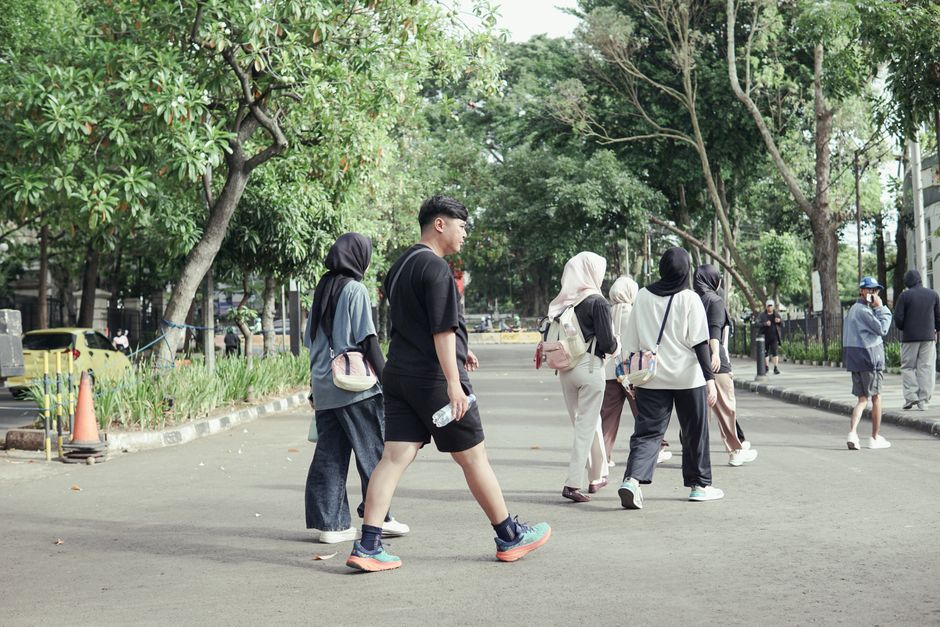
The hardest part isn't the first mile. It's finding someone to walk it with you. Across San Diego, neighbourhood walking groups are quietly multiplying — from Hillcrest to Chula Vista — and public health advocates say the timing couldn't be better. Americans are exercising more than they did five years ago, but loneliness metrics are still stubbornly high, and structured group walking addresses both problems at once.
The renewed interest in communal fitness isn't accidental. After years of pandemic-era isolation, many San Diegans retrained themselves to exercise solo. Now that gyms are back to full capacity and outdoor programming has expanded citywide, the appetite for low-barrier, no-cost group activity is surging again. Walking groups fit that gap precisely: no equipment, no membership fee, no fitness prerequisite.
Where San Diego Already Does This Well
The San Diego Hiking Club, which maintains an active roster on Meetup.com with more than 14,000 registered members, runs weekly outings ranging from casual Balboa Park loops to multi-hour treks through Torrey Pines State Natural Reserve. Their model is worth studying before you launch your own group. Routes are graded by difficulty, a designated sweep walker stays at the back of the pack, and each outing has a named point person — not just a faceless event listing.
The city's Fit for Life program, administered through San Diego Parks and Recreation, also runs free guided walks at Chollas Lake Park in the Mountain View neighbourhood every Saturday at 8 a.m. The program targets adults 50 and over but welcomes anyone. It's a live demonstration of what a well-run neighbourhood walk looks like: consistent schedule, consistent meeting point, and a route short enough — roughly 2.5 miles — that first-timers don't feel ambushed by the distance.
North Park's 30th Street corridor and the coastal path between Ocean Beach and Mission Beach are both well-trafficked enough to feel safe for new walkers while offering the kind of visual variety that keeps people coming back. Pick a route with a natural turnaround point — a coffee shop, a park bench, a mural — so participants have a mental finish line.
The Nuts and Bolts of Getting Started
Logistics matter more than motivation. A 2024 study published in the American Journal of Preventive Medicine found that group walking interventions improved participants' weekly step counts by an average of 2,000 steps compared to solo walkers given identical encouragement. The social accountability, not the instruction, drove the difference.
Start small. Seven to twelve people is a manageable first cohort — big enough to feel like a group, small enough that no one gets lost or left behind. Use a free tool like Nextdoor, a neighbourhood-specific Facebook group, or a flyer posted at local businesses. The Lazy Hummingbird café on Adams Avenue in Normal Heights and Better Buzz Coffee on Garnet Avenue in Pacific Beach both have community bulletin boards that regularly host exactly this kind of grassroots outreach.
Set a fixed day and time, then don't move it. Sunday at 7:30 a.m. or Tuesday at 6 p.m. — pick one and defend it. Groups that rotate schedules to accommodate everyone inevitably accommodate no one. Announce three or four planned dates upfront so prospective members can commit to a series rather than a single event.
Liability is a question people raise and then usually drop. For informal neighbourhood groups of under 20 people walking on public paths, no formal insurance or permit is typically required in San Diego. For larger organised events on city property, the San Diego Parks and Recreation Department requires a Special Event Permit, which runs $75 for small gatherings and must be filed at least 30 days in advance.
The bigger risk is momentum loss after the first month. Designate a co-organiser from the start — someone who can lead on weeks you're travelling or sick. Share a simple group text thread, not just a Meetup event page, so the community exists outside any single platform. And set a three-month check-in date: July, October, January. If the group is still meeting at the 90-day mark, it's almost certainly going to last.
For anyone with existing health conditions, a conversation with a primary care physician at UCSD Health or Sharp Rees-Stealy before ramping up walking frequency is worth the 20-minute appointment. The group can wait a week. Your knees cannot.