Property
How Much Rent is Too Much? The 30% Rule in Practice in San Diego
San Diego renters face record-high prices, but experts question whether the classic affordability threshold still holds up.
4 min read
Updated 1 h ago
Property
San Diego renters face record-high prices, but experts question whether the classic affordability threshold still holds up.
4 min read
Updated 1 h ago
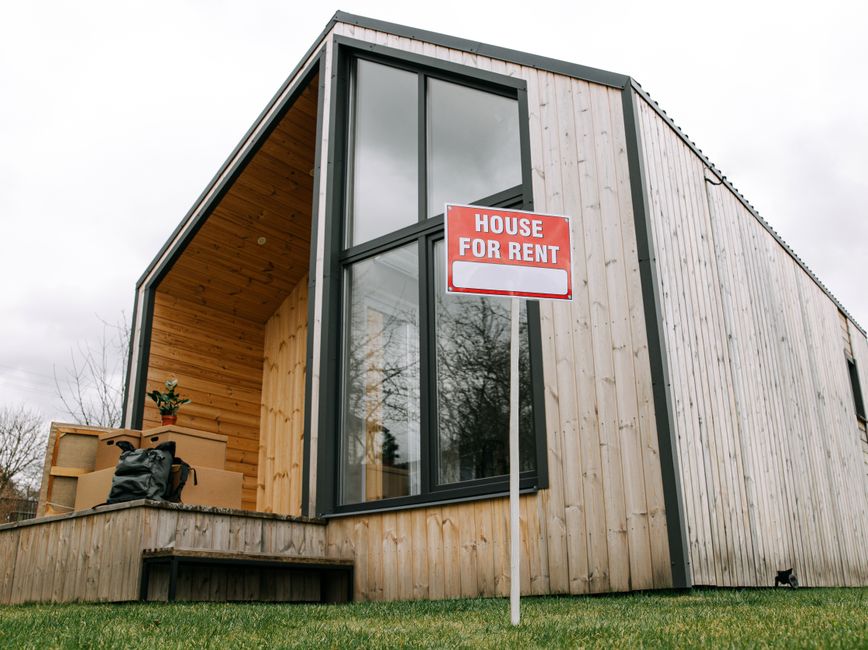
San Diego’s average renter now spends just over 37% of their income on housing, pushing past the long-cited 30% affordability benchmark and sparking new debate about what is realistically sustainable in the region’s pricey market.
As the city marks another year of surging rent increases and stagnant wage growth, local households are grappling with a question that dominates both dinner table conversations and city council agendas: Just how much rent is too much? The answer has major implications, given that 54% of San Diego households rent, according to the U.S. Census Bureau’s most recent American Community Survey, and more people are postponing or abandoning the goal of homeownership entirely.
In Mission Valley, one-bedroom apartments at Vue on Fifth now routinely list for $2,675 per month. In City Heights, average rent for a two-bedroom topped $2,400 this spring, according to rental listing aggregator Zumper. Neither neighborhood is considered especially high-end, yet these figures land far above what the classic 30% rule prescribes as an affordable rent for a median-income San Diego household—roughly $2,050 a month, based on the county’s $82,000 median annual income.
Major local employers, including Rady Children’s Hospital along Kearny Mesa Road and biotech firms near Torrey Pines, have reported mounting recruitment challenges as new hires struggle to secure affordable rentals with reasonable commutes. The growing number of rent-burdened residents has also driven up demand at programs like San Diego Housing Commission’s Emergency Rental Assistance, which fielded over 8,000 applications since January. The commission says nearly two-thirds of new requests now come from working adults who earn too much to qualify as “very low income,” but still can’t keep pace with rising costs.
San Diego’s median asking rent hit $2,540 in June, per Yardi Matrix. That’s nearly quadruple the monthly payment of a starter condo bought in the city twenty years ago. Meanwhile, from 2019 through 2025, county rents climbed 27%—while median incomes grew only 15% over the same period. The result, says Alan Nevin, a local housing economist, is that the 30% rule is “often out of reach for most renters earning less than $100,000.”
A recent survey from USD’s Burnham-Moores Center for Real Estate found that 44% of renters in zip codes like 92101 (Downtown) and 92103 (Hillcrest, Mission Hills) regularly devote more than a third of their pay to rent. Some spend over half. Despite these figures, landlords continue to favor the 30% rule in tenant screening, often demanding paystubs showing at least triple the rent in income.
For renters, that math forces choices: move farther inland; consider roommates; or sacrifice other essentials. Local brokerages such as Ascent Real Estate say interest in North Park and La Mesa has spiked among renters seeking slightly lower prices and more budget flexibility.
Homeownership, long touted as the ultimate escape from rent burden, remains elusive for many. The San Diego County median home price now sits at $882,000, requiring a six-figure household income and hefty down payment. Even with city programs like the Homeownership for All initiative, most first-time buyers find the upfront costs insurmountable compared to monthly rent.
With limited progress on new construction—just 3,900 new apartment units opened countywide in the first half of 2026—relief is not around the corner. Housing advocates at the Legal Aid Society of San Diego urge tenants to crunch their own numbers and look beyond the 30% rule, advising a focus on overall financial health. The city’s affordable housing waitlist now stretches to nearly 70,000 households.
For those hunting in the current market, that means setting strict personal budgets and considering all available rental assistance options. Neighborhoods east of College Grove and south toward Imperial Avenue still offer the occasional sub-$2,000 listing, but competition can be fierce. Local officials continue to debate expanded renter protections and incentives for new development, but most renters will spend the coming year making hard decisions about what “too much” really means for them.

Property

Property
Property
Property
About this article
Published by The Daily San Diego
Spread the word
Daily brief
Free, in your inbox before 7am. Weekdays.
The Daily Network — local news across Australia