Property
San Diego’s House vs. Unit Price Gap Widens: What Buyers Need to Know
Detached homes in San Diego keep surging ahead of apartments, shaking up buyer strategies and reshaping neighbourhoods.
3 min read
Property
Detached homes in San Diego keep surging ahead of apartments, shaking up buyer strategies and reshaping neighbourhoods.
3 min read

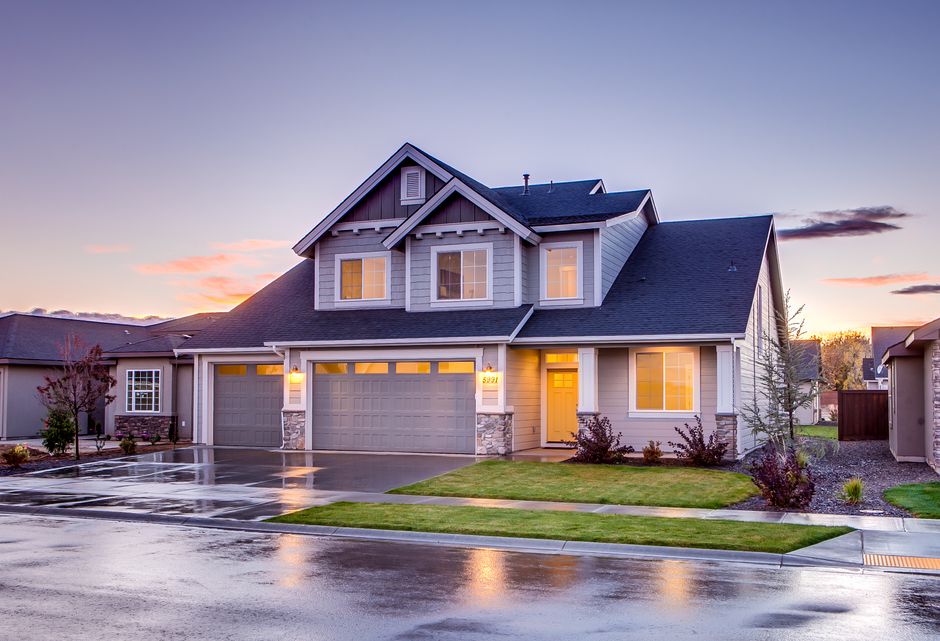
The gulf between single-family home and apartment (unit) prices in San Diego just hit its widest mark in over a decade, according to fresh June figures from the Greater San Diego Association of REALTORS. Detached house prices jumped another 8.5% in the past year to a median of $1,127,000, while unit prices (covering condos, lofts, and townhomes) grew by just 2.3% to $654,000.
There are several forces at play. The recent run of record heat in Southern California, combined with lingering ‘work-from-home’ trends, have kept backyard space and bigger layouts at the top of buyers' wish lists. Local mortgage brokers point to the renewed demand for detached homes along quiet streets like Avenida Cresta in La Jolla and canyon-edge pockets of Del Cerro. Meanwhile, tight lending standards and higher HOA dues have left some would-be buyers wary of units, especially older stock in areas like Mission Valley.
This widening price spread comes as San Diego’s housing market grapples with a chronic listing shortage. As of the July 2026 report, inventory remains down 21% versus last summer, with only 1.1 months’ supply of single family homes citywide. For comparison, a balanced market typically offers four to five months’ supply. Because detached homes are in such short supply relative to units, bidding wars continue to push price tags sky-high in popular zip codes.
The La Jolla real estate market offers a microcosm of this trend: Houses on streets like Hillside Drive have hit a median sales price of $2.8 million, while two-bedroom condos at Villa La Jolla remain under $875,000. In suburban Poway, the median house is still climbing—up 7.9% year-on-year—compared to unit prices, which have plateaued since April. Major developers like Zephyr Partners, focused on ground-up builds in central neighborhoods, aren’t delivering enough new detached supply to ease the squeeze.
According to CoStar data, San Diego issued fewer than 1,200 single-family permits citywide in the first half of 2026—a 13% drop from last year—while multifamily approvals, mainly for high-rise units in East Village and Little Italy, continued apace. Many first-time buyers are now turning their attention to smaller infill units, despite lingering concerns about HOA costs and future resale values.
Anyone waiting for a detached home price correction in San Diego may have a long wait ahead. Local agents with Compass and Coldwell Banker expect the asymmetry between house and unit growth to persist at least through the end of 2026, especially if mortgage rates remain above 6%. Buyers considering units should keep an eye on building financial health (especially assessments for older high-rises downtown), while single-family shoppers have little choice but to act fast—and flexibly—if the right property comes on the market.
For policy watchers, the divergence is fueling calls at City Hall for streamlined permitting of ‘missing middle’ housing: rowhomes, duplexes, and small-lot subdivisions. As negotiations continue at the Development Services Department over the city’s next housing blueprint, the months ahead will show whether San Diego can close the supply gap before the divide between houses and units becomes a permanent fixture of the market.
Property
Property

Property

Property
About this article
Published by The Daily San Diego
Spread the word
Daily brief
Free, in your inbox before 7am. Weekdays.
The Daily Network — local news across Australia