Nationwide interest in build-to-rent (BTR) housing has hit San Diego in force, with three new large-scale developments opening in the past year and more rising from Eastlake to Mira Mesa. Unlike traditional apartments or for-sale townhomes, these purpose-built rental neighborhoods offer the space and feel of new single-family homes—but with leases, not mortgages, and a big focus on extra amenities.
The explosion of BTR options comes as high mortgage rates and stubbornly high home prices have pushed San Diegans to reconsider what “affordable” means in 2026. More than half of city residents now rent, according to SANDAG, and the region’s median sale price for a detached home sat at $997,000 in June—a barrier that shows little sign of crumbling even as listings have ticked up in neighborhoods like Clairemont and Spring Valley.
How ‘Rental Homes’ Are Changing the Local Market
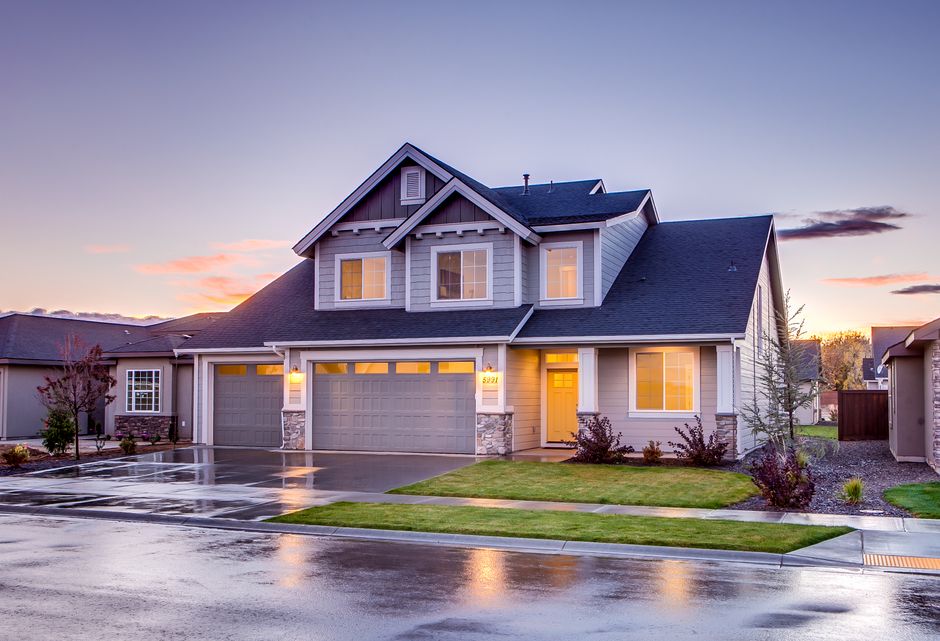
At places like Creekside at Otay Ranch in Chula Vista and the recently opened Prism community on Black Mountain Road, tenants lease new three- or four-bedroom houses. These aren’t converted condos. They come with private backyards, attached garages, dog parks, co-working spaces, and clubhouses with pools—think master-planned suburb amenities, without the down payment.
Operators like Tricon Residential and Seabreeze Management say these communities are targeting families and professionals priced out of both buying and luxury apartments. "People want more space and a neighborhood feel, but can’t buy," said a leasing agent at Prism. Prices reflect that middle ground: a new three-bedroom rental home at Creekside lists for $3,995/month, while a comparable for-sale home nearby would mean a monthly payment of well over $6,500 with 20% down (Zillow data as of June 2026, based on current 6.8% average mortgage rates).
Renter vs Buyer: The Numbers and Trade-Offs
SAN DIEGO – The city’s vacancy rate for single-family home rentals stands at just 2.1% (CoStar Q2 2026), underscoring fierce demand for any affordable, larger-unit rental. Build-to-rent homes command a 10-15% premium over comparable apartments—Creekside’s listings, for example, start at $3,995/month versus $3,200 for a nearby high-end two-bedroom in Otay Ranch. For renters, the appeal is clear: a chance at ‘home living’ plus flexibility, at a price less punishing than buying. For buyers, though, monthly ownership costs remain daunting, especially as property taxes and HOA fees continue inching up across San Diego County. REALTORS® at the Greater San Diego Association of Realtors say first-time buyer volume is down 18% year-on-year.
At the same time, landlords—including BTR operators—are still able to command higher rents due to low supply. The city’s rental vacancy rate for all properties hovered at 3.5% in May. And while city-backed programs like the San Diego Affordable Housing Fund are adding units, most BTR developments so far have been priced for middle- to high-income earners, not low-income families. Residents moving into build-to-rent homes are often dual-income professionals who need the flexibility to relocate, want yard space for children or pets, but lack the upfront capital to purchase a property of their own.
What San Diegans Need To Know
For tenants, the build-to-rent explosion offers a new way to access suburban-style living without the commitment (or risk) of owning in a volatile market. But these homes aren’t a bargain option: expect to pay a premium for flexibility, space and amenities, and to face competition for leases in preferred locations like Otay Ranch or near Mission Trails Regional Park. For would-be buyers frustrated by San Diego’s pricing stalemate, renting in a BTR community could be a strategic bridge. But buyers planning to stay long-term and build equity may still find that the math—even with higher mortgage rates—favours buying if they can swing the upfront cost. More BTR communities are slated for Mira Mesa and El Cajon by early 2027, so tenants should watch for pre-leasing announcements and be prepared to act fast when new homes hit the market. As affordability challenges persist, build-to-rent is set to carve out a long-term role in how San Diegans live—and pay for shelter.