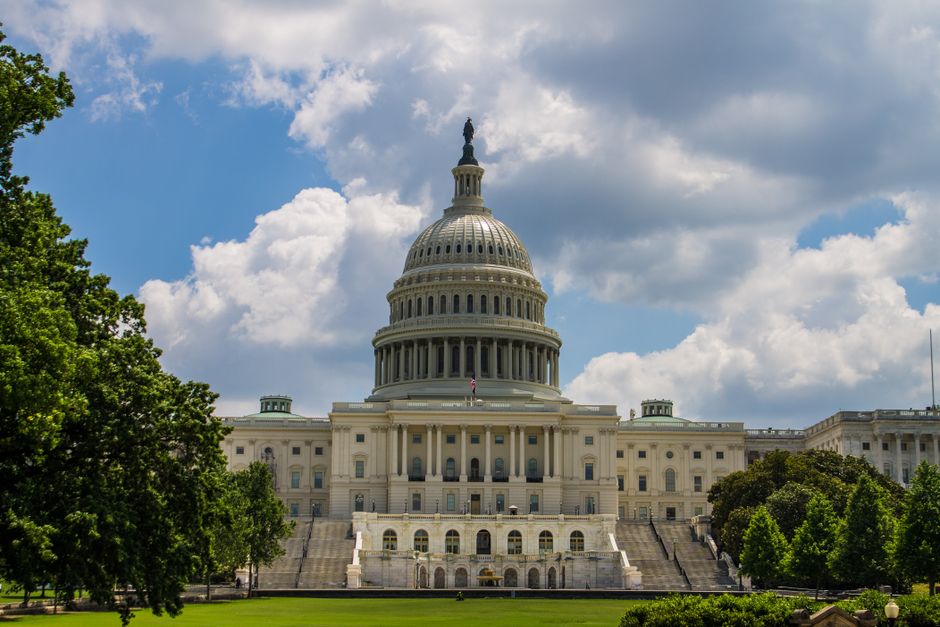
The federal government announced new occupational health standards Wednesday in response to the heat emergencies that forced Philadelphia and Washington D.C. to cancel Fourth of July celebrations. The directive, issued jointly by the Occupational Safety and Health Administration and the General Services Administration, establishes mandatory cooling protocols for federal buildings and grants agencies flexibility to shift work schedules through September 15th—changes that will directly affect how San Diego's sprawling federal workforce manages the next three months.
The timing matters. San Diego historically sees its hottest days in August and early September, with temperatures regularly exceeding 95 degrees in neighborhoods like El Cajon and inland areas where federal facilities cluster. The San Diego region employs roughly 45,000 federal workers across the Navy, Coast Guard, Department of Defense civilian positions, and civilian agencies housed downtown and throughout Kearny Mesa. Any shift in how these offices operate ripples through the local economy—federal workers spend roughly $8 billion annually in San Diego County, according to the Federal Reserve Bank of San Francisco's 2024 economic report.
The announcement gives agencies permission to implement staggered start times, compressed work weeks, or expanded remote work arrangements without requesting individual waivers from headquarters. That flexibility addresses a real problem. Last summer, the federal courthouse on West Broadway in downtown San Diego saw its air conditioning system struggle on three separate occasions, forcing postponement of jury trials and administrative hearings. The Federal Building at 880 Front Street, which houses Social Security Administration offices and veterans benefits processing, has aging HVAC infrastructure dating to 1985 and has experienced cooling failures in two of the last four summers.
San Diego Agencies Prepare Implementation Plans
The General Services Administration's San Diego regional office, which oversees 11 federal buildings across the county, began circulating implementation guidance Thursday afternoon. Agencies now have until July 18th to submit cooling contingency plans. The Navy's Space and Naval Warfare Systems Command, headquartered in Sorrento Mesa and employing roughly 3,200 civilian staff, is among the first to signal it will implement mandatory 6 a.m. to 2 p.m. schedules during peak heat days—defined as days when the National Weather Service forecasts highs of 95 degrees or above.
The directive does not mandate any single approach, giving regional directors considerable autonomy. That decentralization reflects lessons from the East Coast cancellations, where rigid central planning prevented agencies from responding quickly to conditions on the ground. Philadelphia's federal offices were left running full operations on July 3rd despite temperatures reaching 104 degrees and the city canceling its entire Independence Day celebration. The disconnect sparked criticism from the Office of Personnel Management, which oversees federal workforce policy.
San Diego's federal employees will see practical changes almost immediately. Parking availability at major federal campuses like those in Kearny Mesa and near Balboa Park should ease if more workers shift to early morning or remote schedules. Transit agencies have already begun preparing for potential changes in commute patterns—MTS, the regional transit authority, reported in internal documents that federal workers represent roughly 18 percent of weekday morning ridership on downtown routes.
What Happens When You Head to a Federal Office This Summer
If you need to visit a federal office—to renew a passport at the downtown location on West Broadway, file paperwork at the Social Security office on Front Street, or conduct business at any federal facility—check ahead. Agencies are required to post new operating hours by July 15th on their websites and at building entrances. The directive also mandates that federal buildings maintain minimum indoor temperatures of 76 degrees during business hours when occupied, up from the previous 74-degree standard, to balance worker comfort with energy conservation.
The next week will determine how smoothly San Diego's federal operations adapt. Agencies submit their plans by July 18th. The General Services Administration's regional office then has five business days to approve them. By August 1st, the new schedules take effect. For a region where federal employment represents roughly 4 percent of the total workforce and concentrates significant economic activity in just a few corridors, these announcements amount to more than bureaucratic shuffling—they reshape commuting patterns, business hours, and the daily rhythms of downtown San Diego through Labor Day.